In an article by Renee Pinel, President & CEO of the Western Plant Health Association, she emphasizes that pests are not merely nuisances but serious threats to both human health and agricultural productivity. For instance, California is currently grappling with a surge in rodent populations, which jeopardize crops and pose significant health risks to farmworkers through diseases like leptospirosis and hantavirus. Several recent outbreaks of hantavirus have tragically resulted in fatalities, underscoring the real dangers posed by unmanaged pest populations.
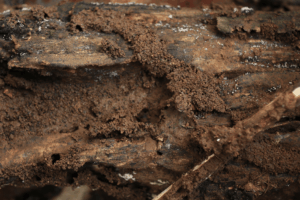
Beyond rodents, other pests such as mosquitoes are vectors for deadly diseases, while termites can cause extensive damage to infrastructure. Mosquitoes alone are responsible for over 700,000 deaths annually worldwide due to illnesses like malaria, dengue, Zika, and West Nile virus.
Pinel argues that pest control tools are among the most rigorously tested and regulated products available. Before reaching the market, they undergo extensive evaluations by agencies such as the U.S. Environmental Protection Agency and California’s Department of Pesticide Regulation. From development to market launch, a single pesticide can take over a decade and cost hundreds of millions of dollars, all to ensure safety when used as directed.
The article warns that eliminating pest control tools could have catastrophic consequences. Estimates suggest that without these tools, 40 to 90 percent of fruits and vegetables could be lost to pests and diseases. Such losses would not only threaten food security but also lead to soaring prices, disproportionately affecting disadvantaged communities. Additionally, invasive pests like the Tau fruit fly and the Mediterranean fruit fly continue to threaten California’s agriculture, resulting in billions of dollars in crop losses.
Pinel advocates for informed, science-based decision-making in pest management. She stresses that responsible pesticide use is about precision, protection, and prevention. By relying on scientific evidence rather than slogans or sentiment, society can better protect farmworkers, maintain food availability, and promote environmental sustainability. As Pinel aptly concludes, “We don’t treat cancer with slogans. We use science. Pest control should be no different.”